 Mattresses
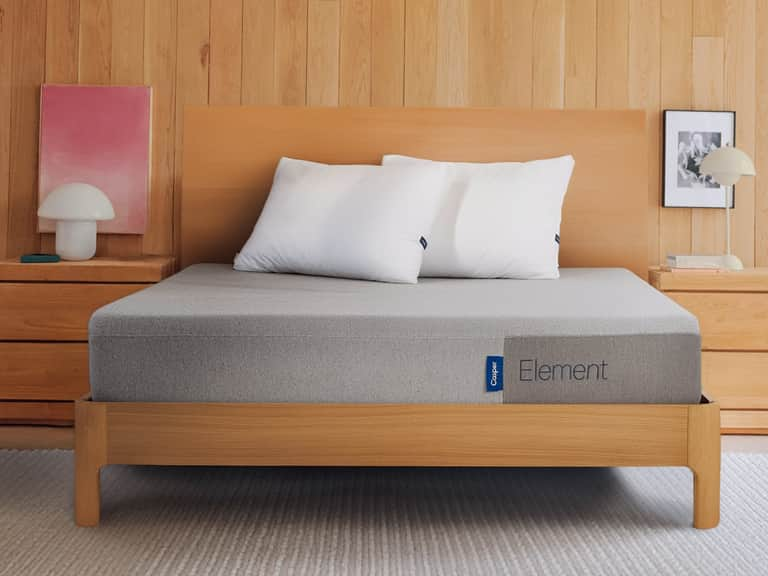
Element Mattress
Stay cooler with an airflow-enhancing foam top, while responsive foam adds a gentle bounce that makes it easier to move and helps you avoid the stuck feeling of memory foam.
Foam mattresses use layers of resilient material to cushion the body and support a comfortable sleeping position. Their construction can help distribute pressure across areas such as the shoulders and hips, while limiting the transfer of movement between sleep partners. Understanding foam density, firmness, and layer design helps explain how different models may feel.
The Element Mattress is a foam mattress in this category, intended to provide cushioning and consistent support during rest. Its suitability depends on individual preferences, body shape, and sleeping position. As with any mattress, checking its dimensions, materials, firmness, and care guidance can help clarify how it may fit into a particular bedroom.
Foam mattresses are available in varied constructions, from simpler foam cores to layered designs that combine different levels of softness and support. These differences can affect contouring, ease of movement, and how warmth is retained. Features such as breathable covers or ventilated foam may influence airflow, but comfort and temperature response vary by product and sleeper.
Mattress selection also involves considering the bed base and surrounding bedding. Some foam mattresses may work with adjustable beds, subject to the manufacturer’s compatibility guidance and any limits on bending or support. Suitable sheets should match mattress dimensions and depth, while pillows can complement neck alignment and sleeping posture.
Material preferences may include organic mattresses, although the term refers to specific materials and certifications rather than foam construction alone. Reviewing product information can distinguish certified organic components from conventional foam, and clarify maintenance requirements. Bedding choices, including pillows and sheets, also affect the overall sleep setup, hygiene, and everyday usability of a mattress.
Mattresses