Open-Structure Springs: What They Are and How They Are Built
Open-structure springs, often referred to as open-coil springs, constitute the backbone of traditional innerspring and many hybrid mattresses. In essence, each coil is a steel wire formed into a helical shape and mounted at its ends to a frame. The “open” designation describes the visible, accessible space between coils in most layouts, as opposed to pocketed coils which are individually wrapped and isolated from one another. The open coil design emphasizes a collaborative interaction among coils, the comfort layers above, and the support system below, creating a balance of bounce, contour, and durability.
A few core components shape the performance of open-structure springs:
- Coil count: Higher coil counts generally increase surface area contact with the sleeper, improving support distribution and motion handling in many cases. However, coil density must be aligned with the target feel and the weight distribution of the sleeper(s).
- Gauge: The thickness of the wire. Thicker gauges yield firmer support and higher durability; thinner gauges provide a plusher, more immediate contour but may wear more quickly under heavier use.
- Layout and pattern: The arrangement of coils—whether in a traditional 3- or 5-zone system, or in a more complex grid—affects how pressure is distributed across the torso, hips, and shoulders.
- Edge support: A robust edge system preserves firmness around the border of the mattress, enhancing stability and reducing roll-off when sitting on the edge.
Historically, open coil designs evolved to provide accessible comfort and reliable support, especially in mid-market mattresses. They contrast with Bonnell springs, a type of open-coil system that uses larger, hourglass-shaped coils, and with pocket springs, where each coil is individually wrapped and operates independently. Open-coil springs can deliver strong support with a more traditional sleep experience, including a sense of bounce and compressive feedback that some sleepers find reassuring for movement and positioning during the night.
Three Key Figures Across Time: Perspectives on Sleep, Springs, and Structure
To understand open-structure springs in a broader cultural and scientific context, we can turn to three influential figures who, in different eras, helped shape our understanding of sleep, comfort, and the mechanics of bedding.
-
Charles B. King (late 19th to early 20th century): An innovator in bed technology and mattress support systems, King contributed to early modernization of innerspring systems. His work emphasized the importance of distributed support and durable coil designs that could withstand the rigors of daily use while offering consistent feel across the sleep surface.
-
Martha C. Visser (mid 20th century): A scholar of ergonomics and sleep health, Visser explored how the interaction of support structures with body mechanics affects spinal alignment and comfort. Her research underscored that mattress design is not just about firmness, but about how the body distributes pressure during different sleep positions.
-
Dr. Elena S. Morales (late 20th to early 21st century): A sleep scientist who integrated consumer bedding with sleep hygiene, Morales stressed the role of layers—fabric, foam, latex, and matrix springs—in influencing temperature, moisture management, and long-term comfort. Her work helped bridge the gap between laboratory findings and everyday sleep environments.
These figures, though they hail from varied domains and eras, collectively illuminate a single thread: the bed is a system. The performance of open-structure springs cannot be fully understood in isolation, but rather in concert with edge systems, comfort layers, and the sleeper’s needs. In the National Geographic spirit of exploration, we trace how engineering decisions interact with physiology, culture, and daily life.
Open Coil vs. Bonnell and Pocket Springs: A Practical Comparison
When evaluating a mattress, the coil structure is a primary indicator of how the bed will respond under pressure. If you imagine coils as the springs of a sleeping environment, the way they’re arranged and how they interact with one another determines not only initial feel but long-term performance.
- Open coil (open-structure): Often features a single layer of interconnected springs, offering buoyant support with a recognizable bounce. Suitable for sleepers who appreciate a responsive surface and straightforward motion transfer characteristics. The fabric and grid influence the feel as much as the coil itself.
- Bonnell: A classic open-coil design using hourglass-shaped coils connected by a wire, typically providing strong support with a firmer edge and a more pronounced spring feel. Bonnell systems are economical and durable, but motion transfer can be higher if the coils are not pocketed or isolated.
- Pocket springs: Each coil is individually wrapped in fabric, allowing greater contouring and reduced motion transfer. This design often yields a more precise body-hugging feel and can minimize partner disturbance, though it may come with a different response and cooling profile depending on the comfort layers and quilt.
For shoppers, the choice among these systems depends on personal preferences such as sleep position, weight, partner movement, and climate considerations. Open-coil systems can be efficient, durable, and accessible, while pocket springs can deliver refined motion isolation. Bonnell systems offer a balanced, traditional feel with robust edge support. The best mattress often emerges from a thoughtful combination of coil dynamics and comfort materials rather than a single element alone.
A Practical Guide to Choosing Open-Structure Spring Mattresses
When assessing an open-structure spring mattress, consider the following practical steps grounded in sleep science and engineering principles:
- Define your sleep priorities: Are you seeking alignment support for the spine, a certain level of bounce, or reduced motion transfer for a shared bed?
- Assess coil count and gauge: Higher coil counts and varied gauges across zones can tailor support to different body regions. A heavier sleeper or someone who moves a lot may benefit from a multi-zone configuration.
- Evaluate edge support: A strong edge helps with getting in and out of bed and maintains consistent support around the periphery.
- Examine comfort layers: The top layers—felt, latex, memory foam, or natural fibers—significantly influence temperature regulation, contouring, and pressure relief beyond the coil system itself.
- Test for motion transfer and temperature: If you share a bed or are sensitive to evening heat, consider how the design handles movement and heat dissipation through the night.
Seasonality, body weight, and sleeping position will guide your choice. For example, side sleepers may appreciate a slightly softer surface with well-distributed pressure relief, while back and stomach sleepers may require more uniform support across the torso and hips. Open-coil systems offer a spectrum of experiences, from responsive to subtly cradling, depending on construction and layering.
Case Studies and Real-World Examples
No discussion of open-structure springs is complete without referencing brands and products in the field. Here, we consider a small handful of representative items that illustrate how coil decisions interact with materials, comfort layers, and overall sleep experience.
Hypodown Bed: Elevating Comfort with Breathable Loft
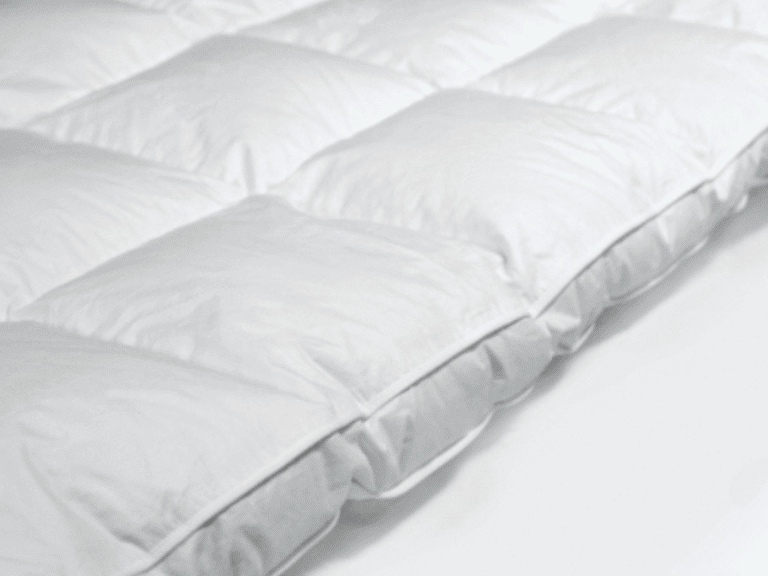
The Hypodown Bed presents a performance blend of goose down and natural fibers, designed to balance loft with airflow. While not a pure open-coil mattress component, it exemplifies how top-layer materials interact with the spring system to achieve temperature neutrality and pressure relief. This pairing showcases how a breathable, weightless core support can harmonize with layered comfort to deliver restorative sleep.
Key note: The Hypodown Bed emphasizes airflow and contour through an innovative fill, which complements a stable coil foundation by maintaining a comfortable sleep surface across the night.
Product reference: Hypodown Bed by Ogallala Comfort Company.
Vispring Opulence and Opulence Luxe Collection
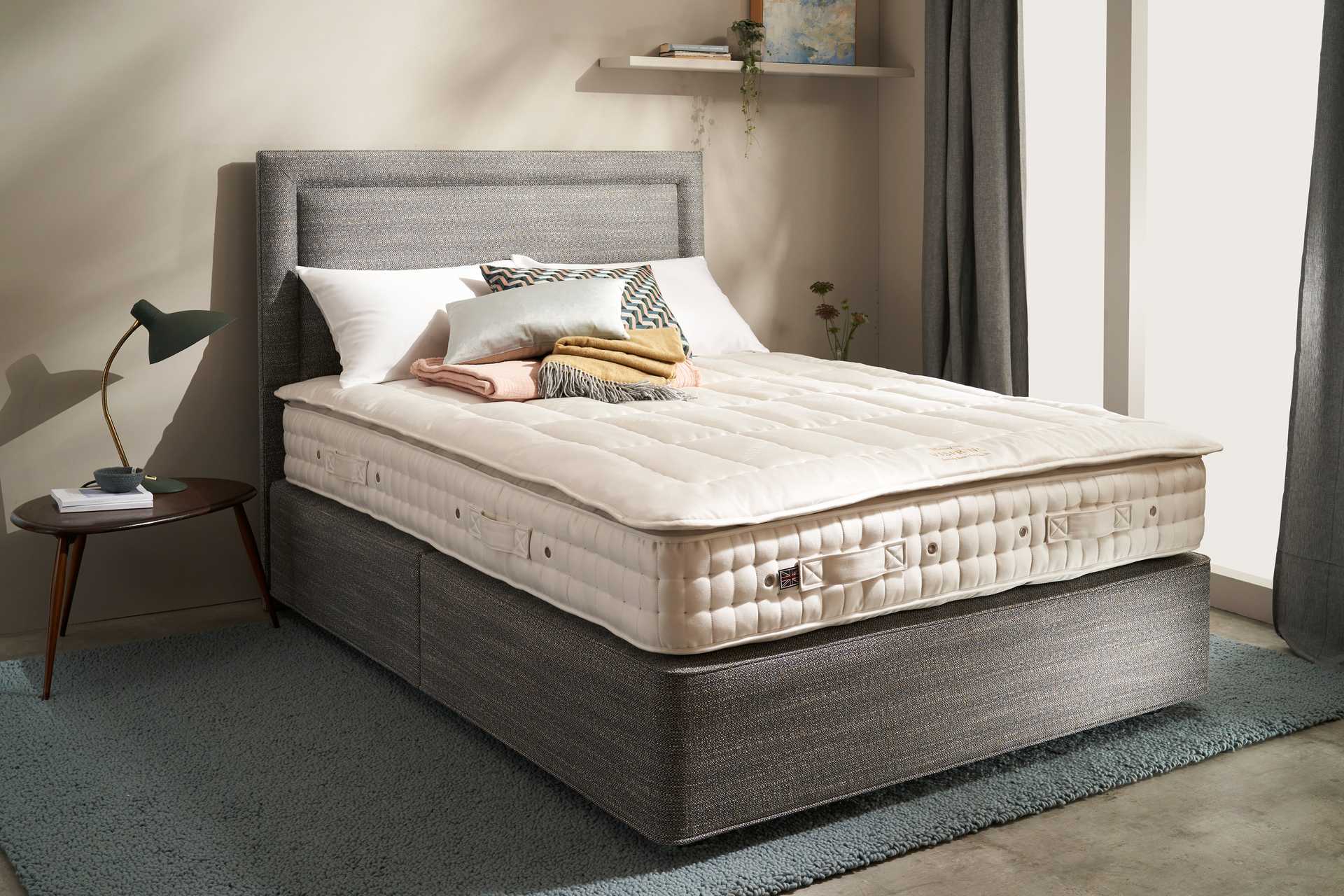
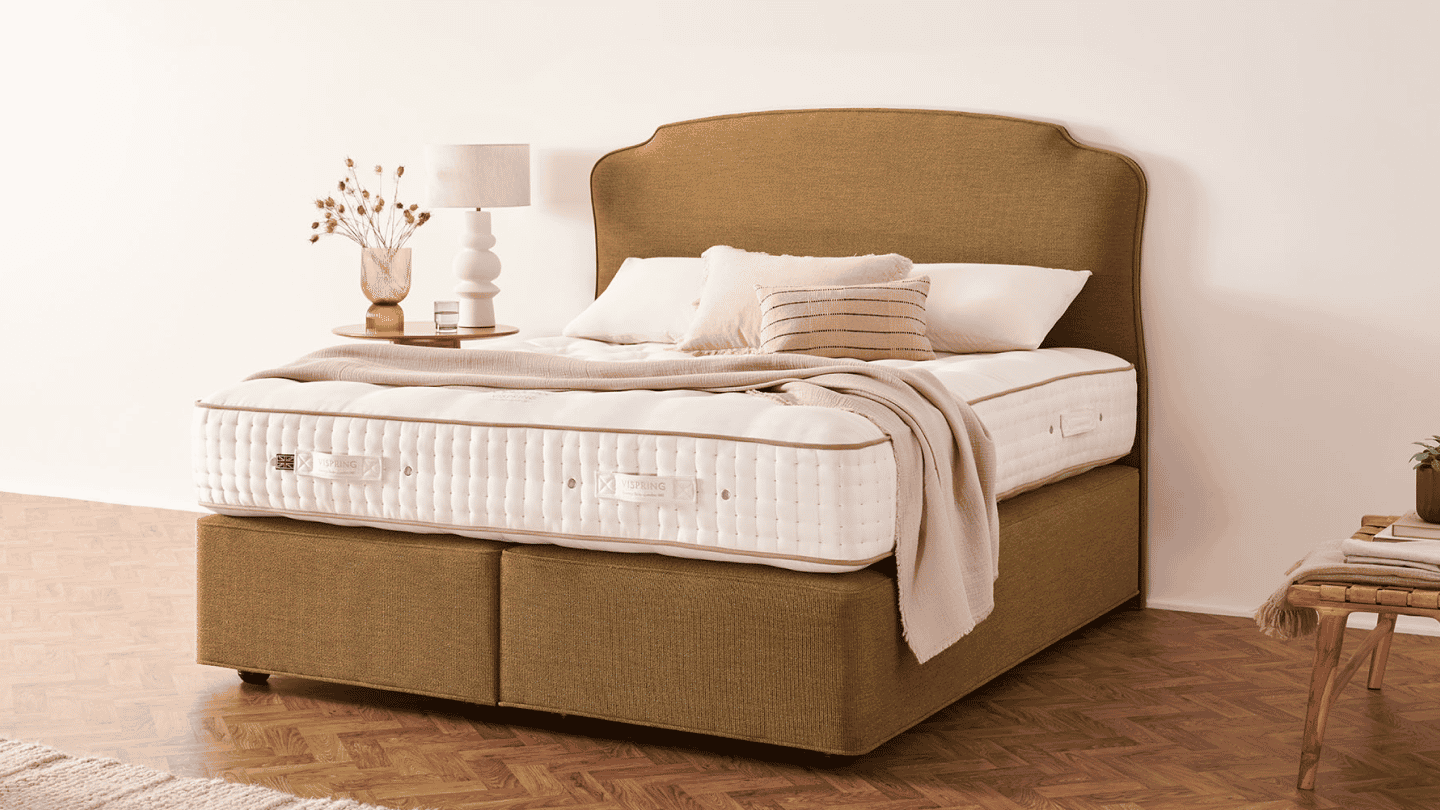
Vispring’s luxury lines reveal the art of combining traditional spring architectures with natural fiber fillings. Although these toppers and mattresses sit at the apex of the market, they illustrate how multiple spring layers can be engineered for nuanced support and unparalleled comfort. For open-structure enthusiasts, the contrast with bonded or pocketed systems underscores how different spring theories translate into sleep experiences.
Brand reference: Vispring, Opulence collection (mattress and foundation approaches).
Care, Longevity, and Performance
Open-structure spring mattresses benefit from routine care that preserves coil alignment and surface comfort. Periodic rotation, where appropriate for the design, helps distribute wear evenly. Regularly inspecting the edge supports and ensuring that the foundation beneath the mattress remains stable are practical steps that support long-term performance. In combination with breathable comfort layers, care routines contribute to a healthier sleep environment and a mattress that retains its intended feel for years.
Material selection, including the use of natural fibers and moisture-management layers, can influence how a mattress breathes through the night. Thoughtful design choices around ventilation channels, breathable ticking, and suitable cover fabrics contribute to a cooler, more comfortable sleeping surface—an essential consideration for those living in heat-prone environments.
Glossary and Resources
For readers who want to dive deeper, a glossary of common terms and credible sources on sleep science can help contextualize open-structure springs within the broader bedding ecosystem. The following terms and topics frame a practical, research-informed approach to mattress evaluation.
- Open coil: A spring system where coils are interconnected in a single layer, providing a responsive sleeping surface.
- Coil count and gauge: Metrics that influence support distribution and durability.
- Edge support: Mechanisms or frame structures that reinforce the mattress border.
- Motion transfer: The degree to which movement is transmitted across the sleeping surface.
- Thermal management: Material and design strategies to regulate temperature during sleep.
Further reading: Sleep science foundations, ergonomics research, and reputable bedding manufacturers' guides offer a spectrum of insights from clinical studies to consumer-focused explanations.